Mobile Concrete Crushing & Aggregate Processing
From asphalt recycling to quarry production, ARRO helps producers keep material moving with compact mobile crushing equipment built for active operations.
Find out if your project is a good fit for ARRO's equipment, production capacity, and schedule.
Compact spreads. Active sites. Material that keeps moving.


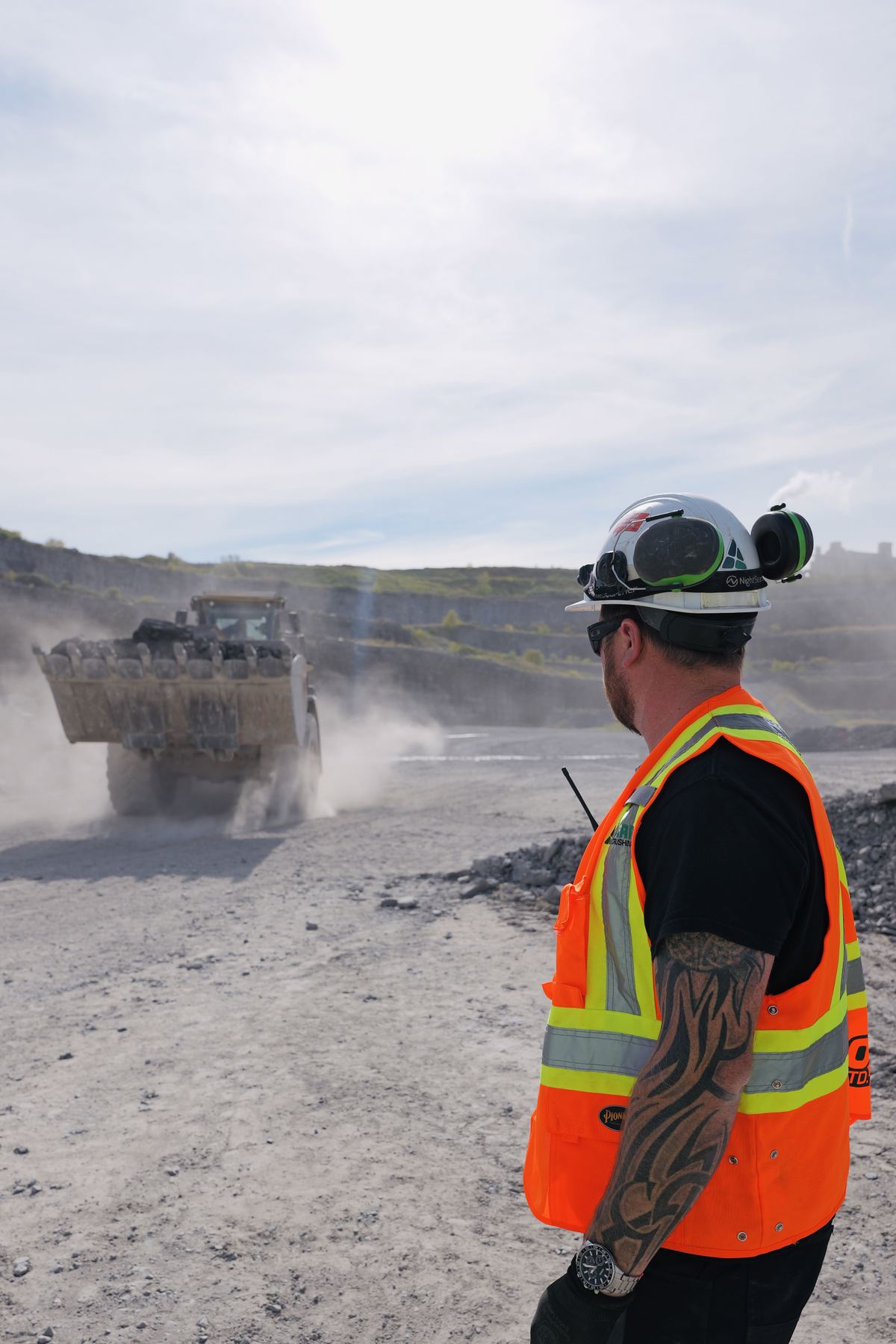
They all do their best to work within the confines of where they're working and respecting the operations that are ongoing around them.George L.
How We Operate
Every project is different. Site conditions, production targets, and material requirements all change from job to job. Here's how we approach every project.
Review the material, required product, production targets, site layout, and logistics before mobilization.
Compact mobile equipment helps our crews work around active sites, restricted spaces, and changing stockpiles.
When conditions change, we adjust quickly and work with your team to keep material moving.
Production updates, scheduling changes, quantity questions, and problems are communicated early so your team knows what's happening.
Keeping Production Moving
Mobile crushing is hard on equipment, but downtime affects far more than the crusher. Trucks wait. Crews stop. Customers wait for product.
That's why ARRO focuses on preventative maintenance before equipment reaches the job site. If something does go down, the priority is restoring production quickly, whether that means repairing the equipment or bringing in additional crushing capacity.
Protecting production is more important than protecting a schedule.
There are generally production quotas... Jared's always been pretty quick to either get his equipment repaired and running again or bring in additional crushing capacity... He's got to maintain that production volume or we end up running our customers out.Cody C.
Mobile Crushing
Not every recycling operation has the luxury of working in one place.
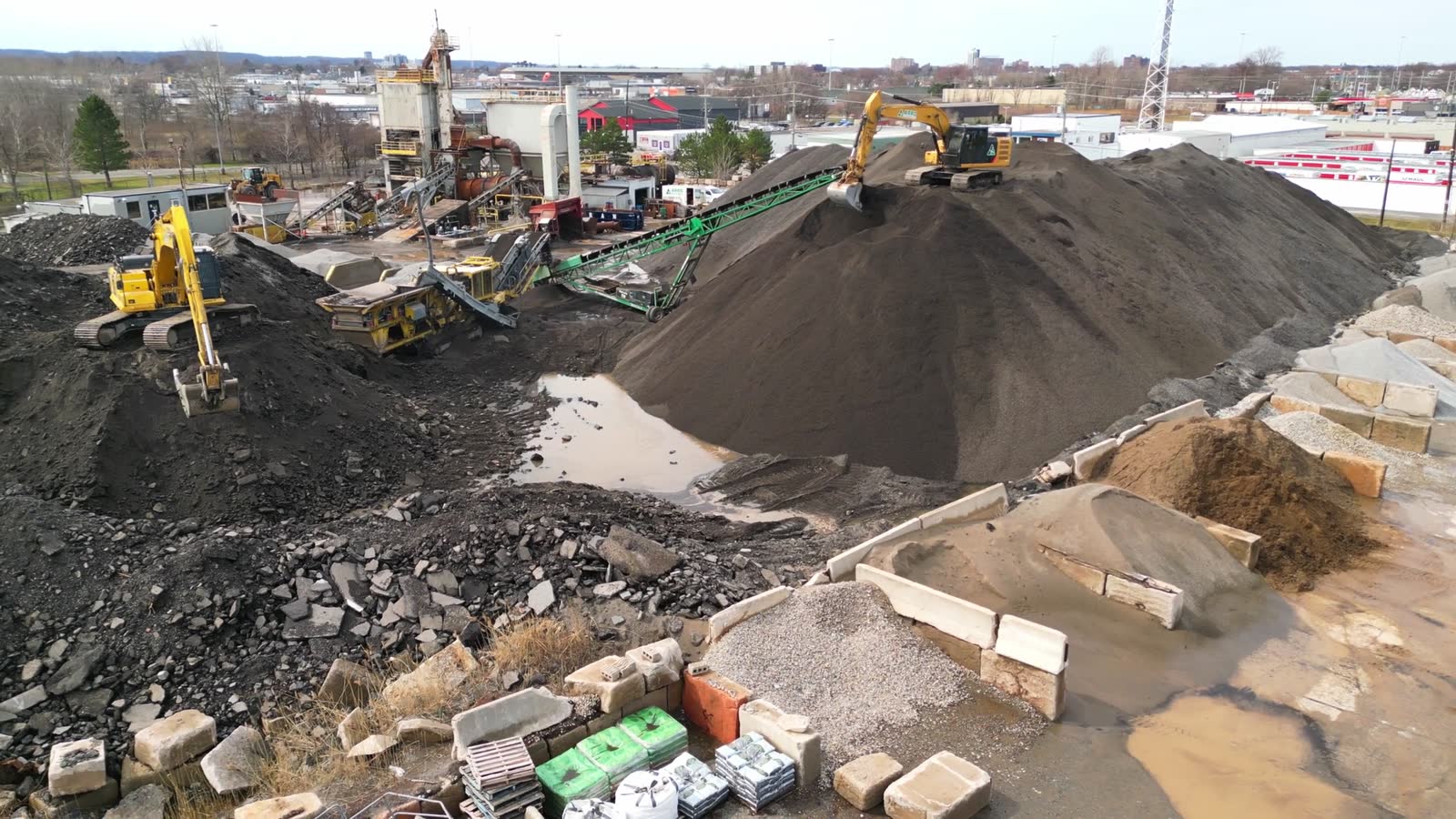
With 30 to 35 stockpiles spread across the site, production shifts throughout the year. As material moves, the crushing operation needs to move with it. Large crushing spreads make that difficult, creating more handling, more disruption, and more time spent working around the equipment.
ARRO's compact, modular setup was built for exactly these conditions. The crew can reposition the crushing spread within the site, often in less than a day, allowing production to continue where it's needed as the operation changes.
The Result is a Crushing operation that works with the site instead of slowing it down.
We have probably 30-35 piles... sometimes we have tight spaces... with the mobile equipment... in a day or something, even less than a day, they're able to move to a different location.George L.
Industries
Different Operations Require Different Crushing Setups. Arro Adapts its Equipment and Production Approach to Fit Your Material, Site, and Production Needs.

Turn waste concrete and returned material into reusable aggregate while reducing stockpiles and unnecessary hauling.

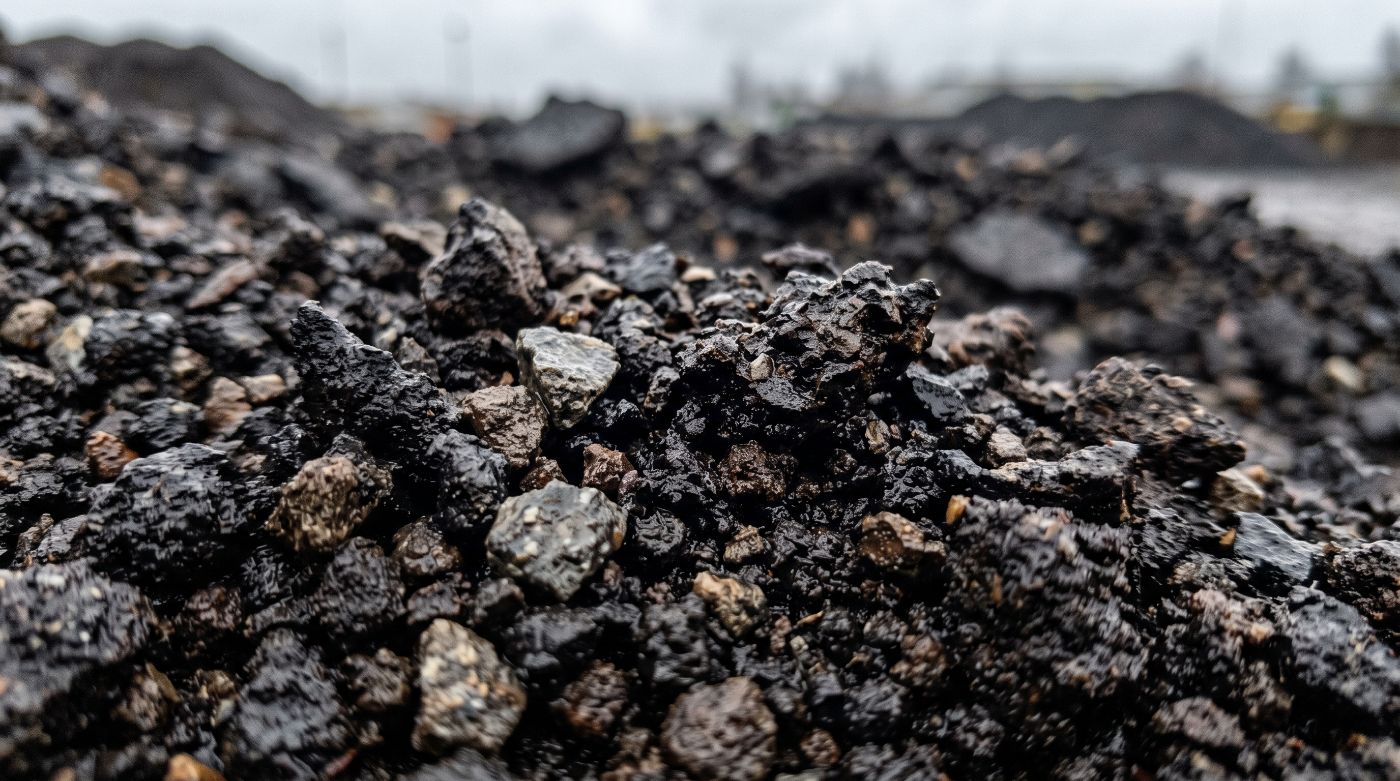
Turn stockpiled RAP into usable material ready to go back into production.

Add crushing capacity when demand increases, equipment is down, or production needs exceed available capacity.

Process concrete or rock on site to reduce hauling and recover usable material.
Production at a Glance
The right crushing setup depends on the material, finished product, site conditions, and production target. Here's what a typical Arro operation can look like.
***Actual production depends on material, finished product requirements, site conditions, and equipment configuration.
Service Area
Based in Milverton, Arro regularly supports producers, quarries, and contractors across Southwestern Ontario and travels wherever the project makes operational sense.
We travel wherever production needs us.Jared
FAQ
Straight answers on production, pricing, and what it takes to get a crusher on your site.
Every project is different, but onsite concrete crushing starts to make sense when hauling, disposal, and material handling costs begin adding up.
As a general guideline, projects under 8,000 tonnes may be more economical to haul to a recycling yard. The right decision depends on haul distance, whether the crushed concrete will be reused, site conditions, and overall project costs.
If you're unsure, we'll help you determine which option makes the most sense.
Arro's mobile crushing equipment is commonly used to process:
Before production begins, we review your material, required finished product, and production targets so we can bring the right crushing and screening setup to the job.
Yes. Our impact crushers are equipped with magnets that remove up to 99% of rebar and wire from the finished product, allowing reinforced concrete to be processed into reusable crushed concrete.
Before production begins, we review the material, required finished product, and production requirements with your team.
From there, we select the appropriate screen setup and monitor the material throughout production. If conditions change or the finished product needs adjustment, we work with your team to make practical changes to the crushing and screening setup.
In recycling applications, our crushers typically produce around 2,000 tonnes per day.
In quarry applications, production can reach 4,000 tonnes per day, depending on the material, finished product specifications, site conditions, and equipment configuration.
Most crushing projects are billed by the tonne of finished product.
Our conveyors are equipped with belt scales that weigh material as it's produced, giving both ARRO and the customer a clear record of production.
Yes. ARRO maintains multiple Environmental Compliance Approvals to support crushing operations at different sites and help ensure we're prepared before equipment arrives.
Availability varies, but projects are typically booked 4 to 6 weeks in advance.
With multiple crews operating, we'll work with you to find a start date that fits your project requirements and our production schedule.
For customers with an ongoing contract, we typically request four weeks' notice to schedule mobilization.
Shorter notice can sometimes be accommodated depending on crew and equipment availability. If you need a crusher quickly, call us and we'll tell you what's possible.
A typical crushing spread includes:
The exact setup depends on your material, required finished product, site conditions, and production targets.
Screen sizes depend on the finished product you're trying to produce.
Before the project starts, we review your product specification and match the screen setup to your requirements.
Our standard crushing schedule is approximately 13 hours per day, six days per week.
If your site allows 24-hour operations and the project calls for additional production, we can also add a night-shift crew to help accelerate the timeline.
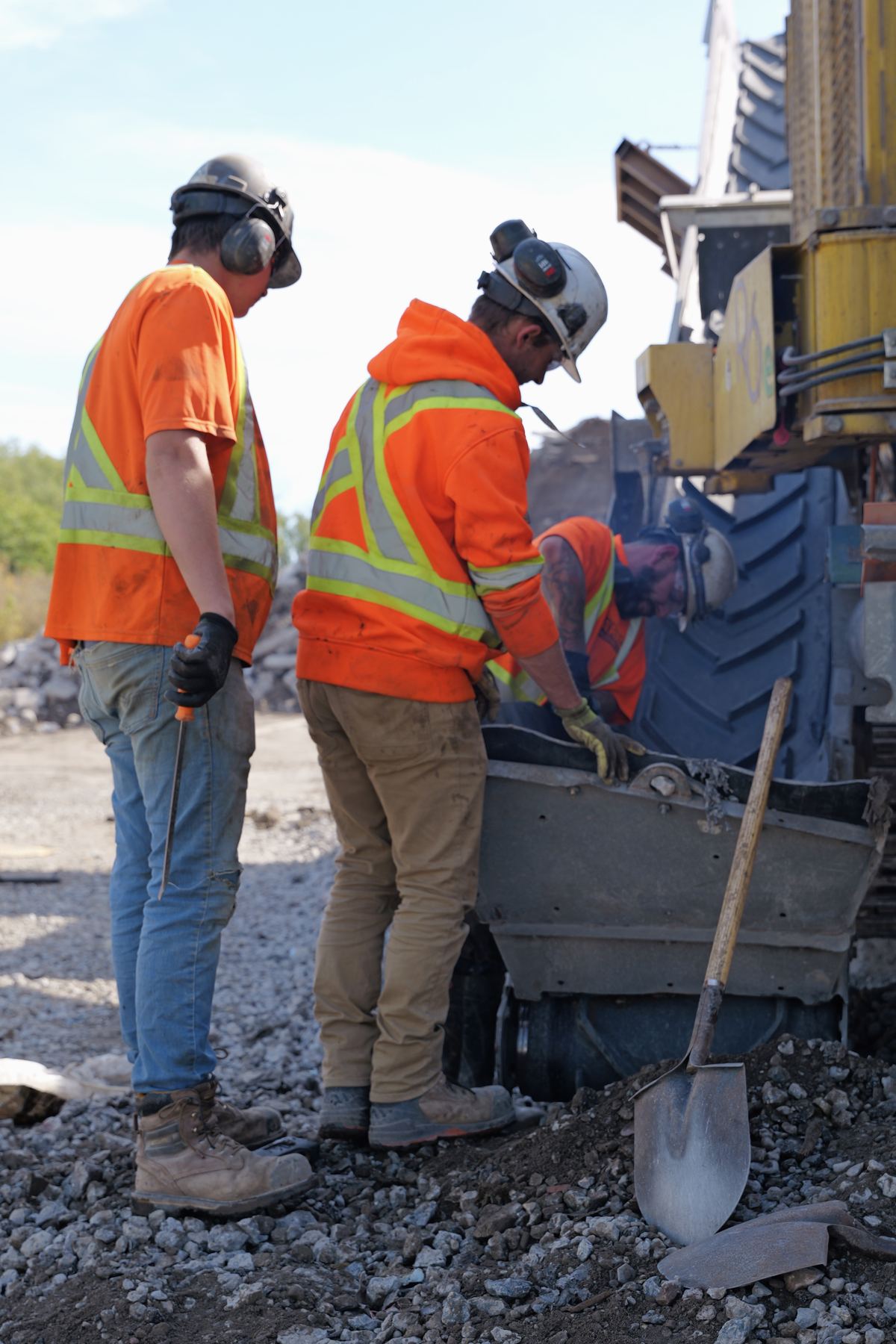
A typical Arro crushing crew consists of two to three people, depending on the equipment setup and project requirements.
Our goal is to minimize disruption, not pretend there won't be any.
Before mobilizing, we review your site layout, traffic, stockpiles, production requirements, and available working space. Our compact mobile equipment allows us to work within active operations and reposition the crushing spread as conditions change.
If dust suppression is required, there are two options.
You can provide a suitable water connection within approximately 30 metres of the crushing area, or Arro can arrange water supply for an additional cost.
Arro provides mobile crushing services across Ontario, with regular work throughout Southern Ontario and into areas such as Kingston and Sudbury.
Projects outside our normal operating area are considered individually. If the production volume and logistics make sense, we're willing to travel.
To prepare an accurate quote, it helps to know:
You don't need to have every detail figured out before calling. We'll review the project with you and determine what else we need before providing pricing.
Let's Talk
Whether you're adding production capacity, recycling material on site, or planning an upcoming project, we'll help determine whether ARRO is the right fit for your operation.
Find out if your project is a good fit for ARRO's equipment, production capacity, and schedule.